Photo Gallery
MOBeDNA – Monitoring Biodiversity with eDNA
MOBeDNA Conference, Reykjavík 2019
A selection of photographs from the MOBeDNA conference held in Reykjavík, Iceland, on October 2–3, 2019. The event brought together eDNA specialists from across the Nordic region and beyond.




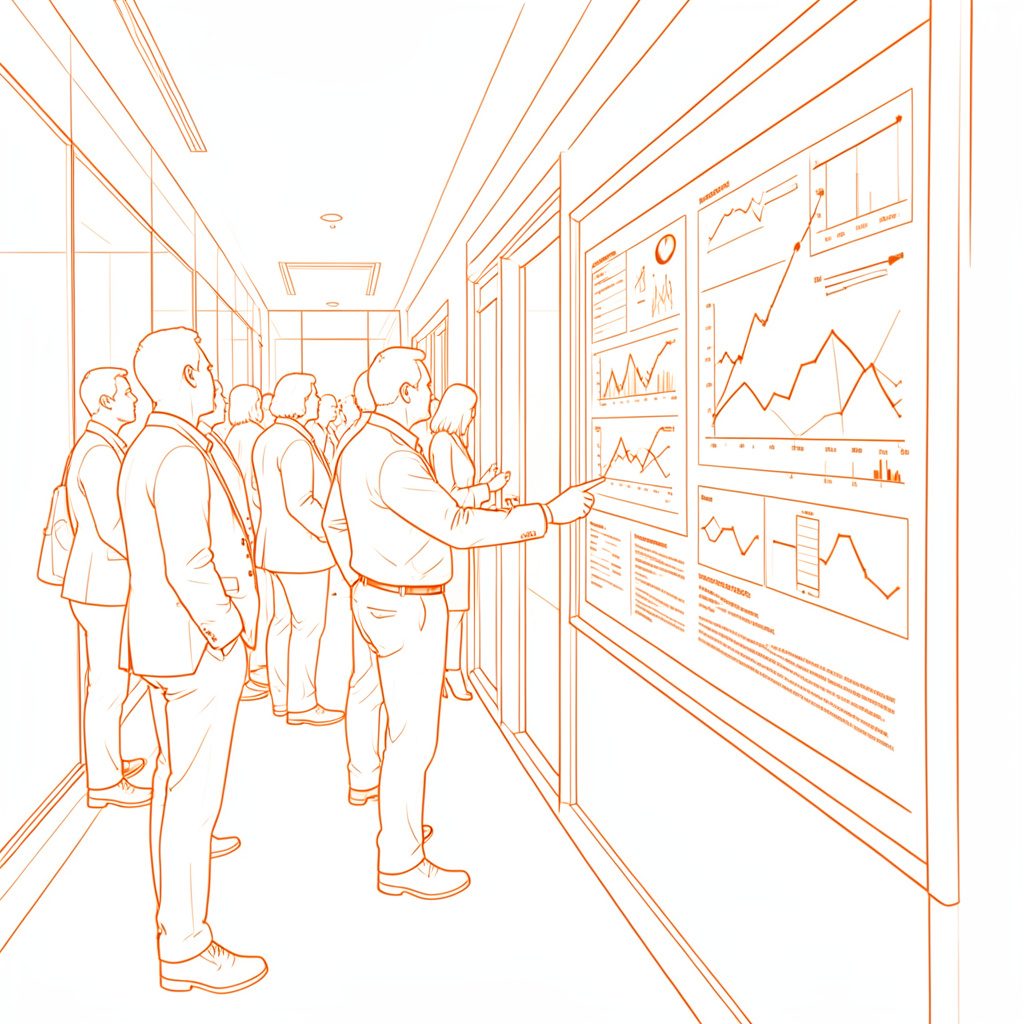

Monitoring biodiversity is essential for understanding the health of marine ecosystems, and environmental DNA analysis has emerged as a powerful tool in this effort. The MOBeDNA conference brought together researchers and specialists from across the Nordic region and beyond to share advances in eDNA methodology and applications. By detecting genetic material shed by organisms into water samples, scientists can assess species presence with remarkable sensitivity. This approach supports fisheries management, conservation planning, and the monitoring of invasive species. Collaborative events like this conference strengthen the network of experts working to develop and standardise eDNA techniques, ensuring that the data collected can inform meaningful decisions about ocean stewardship and resource management.
The Nordic region's extensive coastlines and rich marine resources make it a natural focal point for eDNA research and innovation. Partnerships between institutions in Iceland, Norway, Denmark, Greenland, and other Atlantic nations have accelerated the development of practical monitoring protocols. These collaborations allow for the sharing of knowledge, equipment, and best practices across borders, which is particularly valuable when studying migratory species and transboundary ecosystems. The MOBeDNA project exemplifies how regional cooperation can advance scientific understanding while building capacity among early-career researchers. Such initiatives contribute to a broader framework of sustainable fisheries management and marine conservation that benefits communities throughout the North Atlantic.
Photography from the MOBeDNA conference captures the energy and engagement of researchers committed to advancing environmental DNA science. Images of presentation sessions, panel discussions, and poster displays illustrate the depth of inquiry and exchange that characterised the event. These visual records also document the informal networking moments where new collaborations often begin. For stakeholders in fisheries management and marine policy, the conference represented an opportunity to connect cutting-edge science with practical regulatory needs. The photographs serve as a lasting reminder of the collective effort required to develop robust monitoring systems that can support evidence-based decision-making in an era of rapid environmental change.
Environmental DNA monitoring is increasingly recognised as a vital complement to traditional survey methods in fisheries and marine conservation. The technology offers a non-invasive way to detect rare or elusive species, track seasonal changes in community composition, and assess the effectiveness of management measures such as area closures or gear restrictions. As the methodology continues to mature, standardisation and quality control remain priorities for the research community. Conferences like MOBeDNA play a crucial role in harmonising approaches across laboratories and jurisdictions. The ongoing work of this network helps ensure that eDNA becomes a reliable tool for the sustainable management of marine resources in the Nordic region and beyond.